

Video Assistant Referee causes controversy every week in the Premier League, but how are decisions made, and are they correct?
We take a look at the major incidents to examine and explain the process both in terms of VAR protocol and the Laws of the Game.
In this VAR Review: Chelsea had two penalty claims turned down at Anfield and Liverpool were given a spot kick, plus possible handball penalties for Everton and Aston Villa.
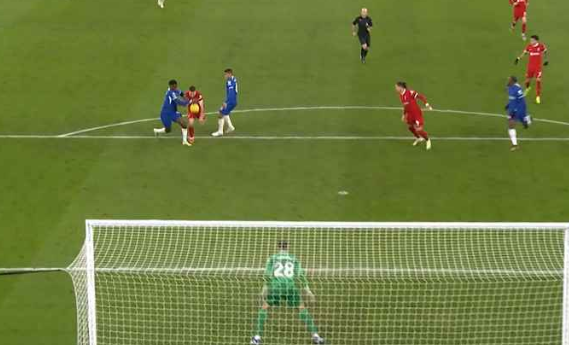
What happened: The game was in the sixth minute when Raheem Sterling played a ball into the box, which was collected by Conor Gallagher. He stepped forward and went to ground when moving past Virgil van Dijk. The ball ran through to goalkeeper Alisson Becker, and referee Paul Tierney signalled there was no foul (watch here.)
VAR review: The first of three penalty incidents for the VAR, John Brooks. There is contact between defender and attacker, but Van Dijk doesn’t really make a challenge on Gallagher. This doesn’t mean there can’t be a spot kick, but there’s not enough in this for a VAR decision.
There are similarities with the penalty Liverpool wanted against Fulham for Illia Zabarnyi’s challenge on Diogo Jota. The VAR didn’t intervene in that case, a decision unanimously supported by the Premier League’s Independent Key Match Incidents Panel.
If the referee had given the penalty it would have stood — but it’s not a clear and obvious error to give no spot kick. We’re going to hear about this a couple more times in the game.
Possible handball: Jota when scoring
What happened: Liverpool took the lead in the 23rd minute when Jota ran onto a pass from Conor Bradley to finish past Djordje Petrovic, but did the ball touch his arm before scoring? (watch here)
